Call Us Today! (303) 647-3883
29°
Call Us Today! (303) 647-3883

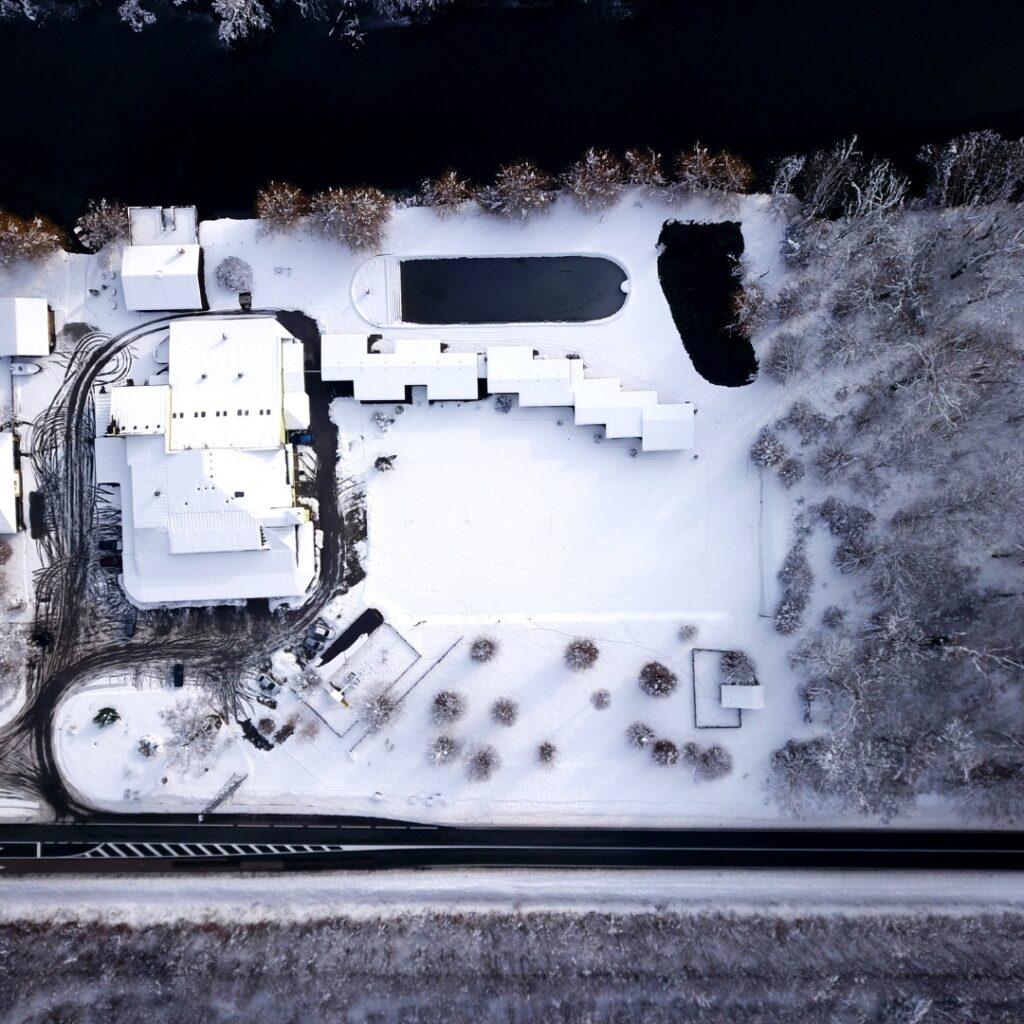
Flat roofs are a staple of commercial buildings and modern residential architecture across Colorado. But when winter arrives, these flat roof systems face uniquely harsh conditions. Snow, ice, and rapid heat fluctuations increase the risk of leaks, structural strain, and costly repairs. Ensuring your roof structure is ready isn’t just seasonal maintenance—it’s essential winter damage prevention.
Whether you own a commercial roof in Denver, manage facilities along the Front Range, or have a flat roofing system on a mountain property, preparing early for winter is the best way to protect your investment.
This guide breaks down why flat roofs require extra care during snowy months and what steps you can take to keep your property safe all season long.
Flat roofs don’t shed snow the way pitched roofs do. Instead, snow accumulates, melts, and refreezes, placing intense pressure on your roofing material, membrane, and structural components.
Snow can create:
Flat roof types—such as modified bitumen roofs, TPO roofing, EPDM rubber roof, PVC single-ply roofing, flat metal roof, and gravel roof systems—all require specific winter prep due to their varying materials and adhesion methods.
The first step in preparing your flat roof for winter is a professional inspection. This allows experts to assess the roof structure, identify potential weak spots, and evaluate the condition of key components like flashing, ventilation, and membranes.
During a winter prep inspection, roofing professionals check for:
A professional evaluation ensures your flat roof system can handle Colorado’s extreme winter conditions.
Debris—like leaves, dirt, and gravel—can interfere with snow melt, roof drainage, and safe snow removal. When covered by snow and ice, debris can trap moisture and accelerate membrane deterioration.
Before winter:
Clearing the roof reduces the risk of ice, ponding, meltwater infiltration, and damage caused by shifting debris beneath snow cover.
A flat roof relies heavily on clear, functional drainage. When snow begins to melt, proper flow prevents ponding water and interior damage.
Your drainage winter prep should include:
When drainage is compromised, melting snow freezes into ice dams, leading to structural pressure and leaks.
Colorado’s snow can weigh more than many flat roofs are prepared for—especially older buildings or roofs that have undergone renovation without structural reinforcement.
Look for signs your roof might be over-stressed:
Whether you have a TPO membrane, EPDM, modified bitumen, or a flat tile roof, understanding your roof’s limits is essential to winter readiness.
Removing snow from a flat roof must be done carefully to avoid damaging the membrane, flashing, or insulation.
Safe snow removal guidelines:
Improper snow removal can puncture membranes, scrape coatings, and reduce overall longevity.
Frequent Colorado warm-ups create cycles of melting and refreezing. This freeze-thaw pattern is especially dangerous on flat roofs because ice dams can trap water and cause infiltration.
Warning signs include:
Preventing ice dams may require improved insulation, drainage upgrades, better roof pitch toward drains, or targeted heating systems designed to manage heat transfer and meltwater.
Not all flat roofing materials perform equally in winter.
Common Colorado-ready materials include:
Choosing the right material significantly improves performance during snow cycles.
Blue Spruce Construction Group understands Colorado’s extreme climate and the unique demands placed on commercial and residential flat roofs. With experience in everything from roof repair to TPO installations and full waterproofing restoration, we help property owners stay ahead of winter problems.
Local expertise matters when preparing for snow, severe wind, rapid melting, and freeze-thaw conditions.
Don’t wait for the first storm.
Schedule your winter flat roof inspection with Blue Spruce Construction Group today.
Our roofing specialists provide expert assessments, repairs, and snow-season readiness plans for commercial and residential flat roof systems across Colorado.
Stay safe. Stay prepared. Stay protected all winter long.