Call Us Today! (303) 647-3883
38°
Call Us Today! (303) 647-3883

Hail Damage Roof Repair in Denver, Boulder & Northern Colorado Learn More »
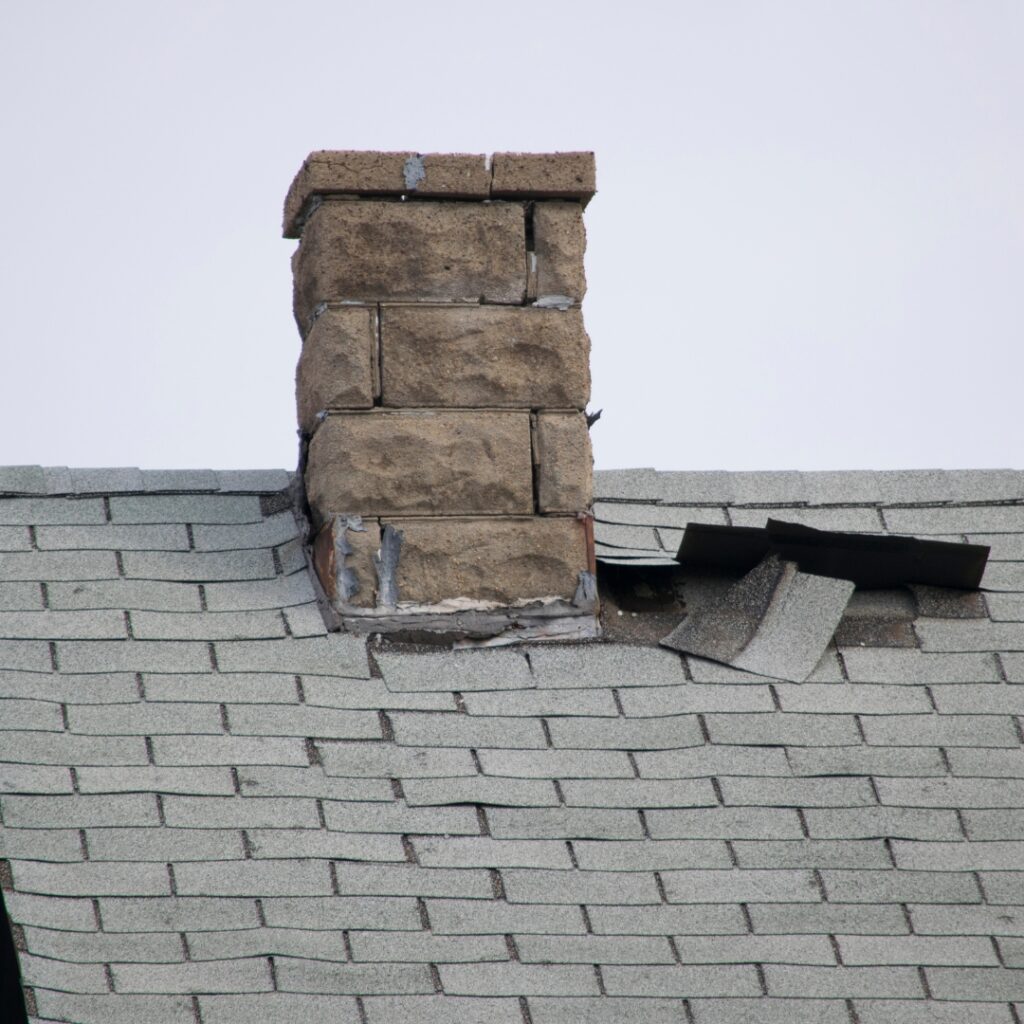
Unseasonably warm weather paired with powerful wind events has become increasingly common across Colorado’s Front Range. While high winds are disruptive on their own, they often create a chain reaction of damage that affects roofs, siding, and the overall safety of both residential and commercial buildings. Beyond missing shingles or loose siding, wind damage can quietly increase fire risk and compromise the long-term integrity of your property.
Understanding how wind impacts your home (and how the right exterior materials help protect it) is essential for proactive homeowners and property managers.
High winds don’t just push against a building; they move across rooflines and exterior walls in a way that creates powerful lifting forces. This phenomenon, often referred to as wind uplift, pulls roofing materials upward while internal pressure pushes from below. Over time—or during a single intense storm—this can loosen fasteners, lift shingles, and expose vulnerable areas of the roof.
Once wind compromises even a small section of your roof, the risk of further damage rises quickly. Wind-driven rain can penetrate under lifted shingles or flashing, leading to moisture intrusion, mold growth, and interior damage. Debris carried by strong gusts can also strike roofing and siding, creating cracks or punctures that aren’t always immediately visible from the ground.
In Colorado’s open terrain, where gusts can intensify rapidly, these risks are magnified—especially for aging roofs or materials that were not designed for high-wind conditions.
What many property owners don’t realize is that wind damage can also elevate the risk of fire. When roofing or siding materials loosen or break away, gaps form along roof edges, vents, and exterior walls. These openings allow embers from nearby fires—or even small ignition sources—to enter the structure.
High winds can carry embers significant distances, and once they reach exposed areas of a building, combustible materials beneath the exterior surface may ignite. This is particularly concerning during dry conditions, when wildfire risk is already elevated.
A damaged exterior also allows fires to spread more quickly. Wind feeds flames, and compromised materials provide additional fuel or access points, turning what could have been minor damage into a serious safety threat.
Some wind damage is obvious, but much of it goes unnoticed until it becomes a larger issue. After a wind event, property owners should watch for:
Even if your home appears intact, underlying damage may still exist. A professional inspection is often the best way to identify issues early and prevent costly repairs later.
Not all roofing materials perform the same under high-wind conditions. Roof durability depends on both material selection and proper installation.
Impact-resistant shingles, metal roofing systems, and other wind-rated products are designed to withstand stronger gusts and reduce uplift forces. These materials typically feature enhanced fastening systems, interlocking designs, or increased weight to help them remain secure during storms.
Equally important is installation quality. Proper nailing patterns, reinforced edges, and secure flashing significantly improve wind performance. Even the strongest roofing materials can fail if they are installed incorrectly or maintained poorly.
Routine inspections and maintenance further improve wind resistance by ensuring small vulnerabilities are addressed before storms expose them.
Siding plays a critical role in defending your home against both wind and fire. When siding is damaged, moisture intrusion, pest entry, and heat loss are common concerns—but fire safety should also be part of the conversation.
Fire-rated siding materials, such as fiber cement, metal, or certain engineered products, are designed to resist ignition and slow flame spread. These materials are particularly valuable in high-risk areas or during periods of elevated fire danger.
Quality siding also improves wind resistance. Durable materials installed correctly are less likely to crack, detach, or allow embers to penetrate the building envelope. In addition to safety benefits, modern siding options enhance curb appeal, energy efficiency, and long-term property value.
Investing in wind- and fire-resistant exterior materials is about more than surviving the next storm. These upgrades help protect structural components, reduce maintenance costs, and improve energy efficiency year-round.
High-quality roofing and siding create a continuous barrier against the elements, helping regulate indoor temperatures and prevent moisture-related issues. Over time, these benefits can translate into lower utility bills, fewer repairs, and increased resale value.
For homeowners and commercial property owners alike, choosing materials designed for Colorado’s climate is a practical way to protect both safety and investment.
High winds are more than a temporary inconvenience—they can compromise your roof, increase fire risk, and threaten the long-term safety of your home or commercial building. Addressing damage early and investing in durable, fire-resistant exterior materials is one of the most effective ways to stay protected.
Blue Spruce Construction Group proudly serves Denver and surrounding Colorado communities with trusted roofing and siding repair, replacement, and inspection services. If your property has experienced recent wind damage or you’re considering exterior upgrades for added protection, contact Blue Spruce Construction Group today to schedule a professional evaluation and take the next step toward safeguarding your investment.