Call Us Today! (303) 647-3883
38°
Call Us Today! (303) 647-3883

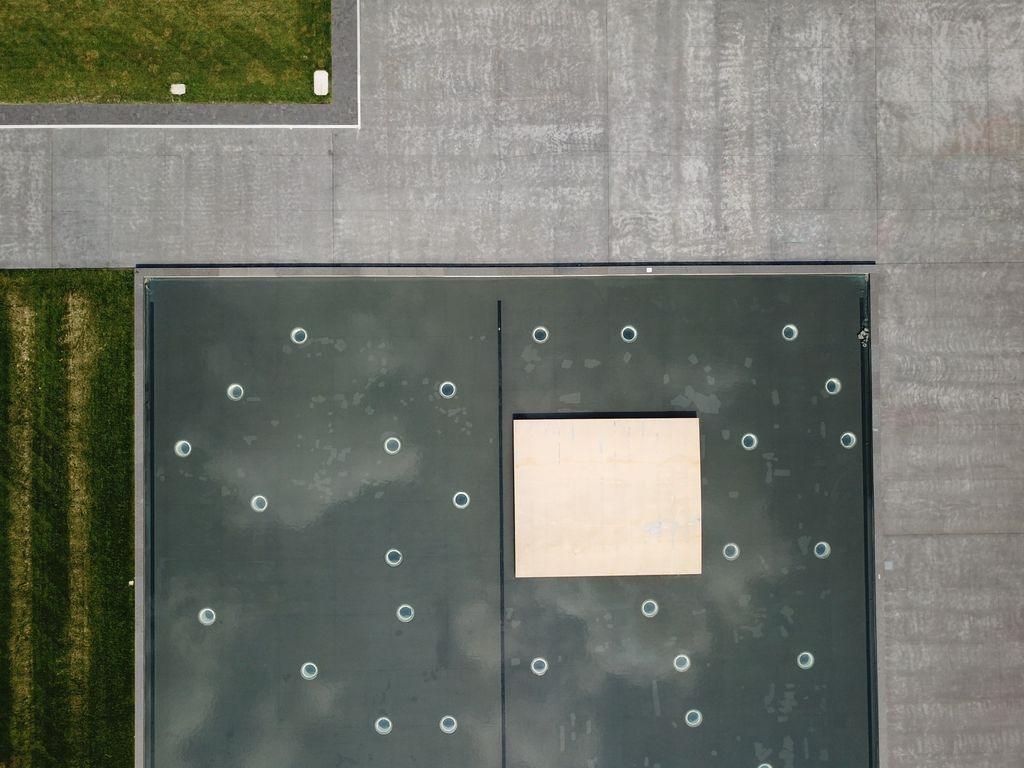
A roof service call usually starts with a problem. Ongoing roof management starts with a baseline record: what roof system you have, what condition it is in, and which issues need attention first.
For a property manager, that record makes conversations with owners and tenants much easier. Instead of piecing together old invoices after a leak, you have a clear starting point for every decision.
Before signing a maintenance agreement, establish what is already on the building. A solid baseline covers:
Photos are most helpful when tied to a specific roof section and a clear written note—a close-up of a damaged detail means far more when you know where it is and why it matters. Ask your contractor to separate confirmed observations from items that need deeper investigation, since a visual walk-through cannot always reveal concealed conditions.
"Roof maintenance" can mean very different things from one contractor to another. Your agreement should spell out:
Inspections often turn up recommendations with different levels of urgency. Make sure everyone knows what falls under routine care, what requires separate approval, and who signs off on each tier.
Keep open items easy to track. If a recommendation is deferred, note why and when you plan to revisit it. When a repair is completed, tie it back to the original finding so your roof history stays complete. You should also establish how third-party rooftop work—like HVAC servicing or new penetrations—is coordinated so other trades do not compromise the roof.
After each visit, a practical report should answer three questions:
Before-and-after photos help confirm completed work, while a short list of open items lets owners approve next steps without digging through dozens of unrelated images. If you manage multiple properties, ask for a consistent report format across buildings so you can compare conditions easily.
Routine maintenance and capital planning work best side by side. If a roof is aging or deteriorating, your plan should show how ongoing care supports the building until larger repairs or replacement make sense.
Treat any long-range forecast as a living planning tool rather than a fixed guarantee—weather, concealed issues, and changes in building use can shift timelines. Agree on when the forecast gets reviewed and what findings would change the recommendation.
Before committing to an ongoing program, ask to see a sample report and a written scope. Those two documents will tell you far more than a program name alone.
Planning care for a commercial roof? Talk with Blue Spruce Construction Group about building a clear maintenance record and long-term plan—call (303) 647-3883.