Call Us Today! (303) 647-3883
51°
Call Us Today! (303) 647-3883

Your roof protects your home from Colorado’s harsh sun, wind, snow, hail, and sudden temperature swings. But many homeowners do not realize there is a problem until water starts coming in or visible damage becomes impossible to ignore. By then, a smaller repair may have turned into a much larger and more expensive project.
If you live in the Colorado Front Range or nearby mountain communities, your roof is exposed to more stress than roofs in milder climates. Knowing what to look for can help you act early, protect your home, and avoid unnecessary damage.
Here are seven common signs that it may be time to schedule a professional roof repair.
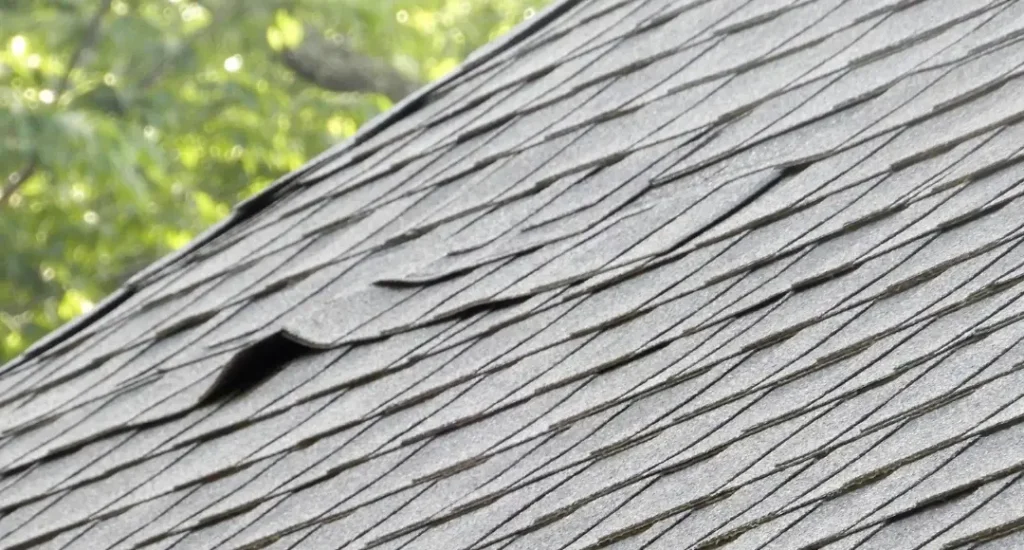
Damaged shingles are one of the clearest warning signs that your roof is no longer fully protected. Strong wind, hail, UV exposure, and seasonal weather changes can cause shingles to crack, loosen, curl, or disappear altogether.
Look for:
Even a small area of shingle damage can allow moisture to work its way into the roofing system.
A leaking roof should never be ignored. Water intrusion can damage insulation, stain ceilings and walls, encourage mold growth, and weaken underlying materials over time.
Common warning signs include:
In Colorado, snow, wind-driven rain, and freeze-thaw cycles can make minor leaks worse in a hurry.
A sagging roofline is a more serious structural warning sign. Prolonged moisture exposure can lead to rot in the decking or framing, and heavy snow loads can place additional stress on vulnerable areas.
You may notice:
If your roof appears to sag, it is time to have it inspected right away.
Asphalt shingles rely on surface granules to help protect against sun exposure and weathering. When those granules wear off, shingles can age faster and become more vulnerable to damage.
Watch for:
This is often a sign that your roof is aging or that storm damage has shortened its remaining life.
Organic growth on a roof may look minor at first, but it can point to trapped moisture and ongoing deterioration. Moss can hold water against roofing materials, while algae and mold may signal that moisture is not drying out the way it should.
Possible signs include:
These issues are especially worth watching in shaded areas and in higher-moisture environments.
Your gutter system plays an important role in protecting your roof. When gutters are clogged with granules, leaves, or debris, water may back up near the roof edge and contribute to rot, leaks, and fascia damage.
Signs to look for:
Sometimes what looks like a gutter issue is also a roof maintenance issue.
Roof problems are not always obvious from outside. Small openings, moisture intrusion, and ventilation-related issues can affect indoor comfort and energy efficiency.
You might notice:
When the roofing system is compromised, your home may have to work harder to maintain a stable indoor temperature.
Putting off roof repairs often leads to bigger and more expensive problems. Addressing issues early can help:
In many cases, a timely repair is far more affordable than waiting until a partial failure turns into a full replacement.
You should schedule an inspection if:
Even if the damage seems minor, a professional inspection can help determine whether a repair is enough or whether deeper issues are starting to develop.
Colorado roofs deal with hail, wind, snow loads, freeze-thaw cycles, and intense sun exposure. That means roof repairs should not be treated as one-size-fits-all. The right solution depends on your roofing material, the age of the roof, the extent of the damage, and the conditions your property faces throughout the year.
At Blue Spruce Construction Group, we help homeowners across the Front Range and surrounding mountain communities identify roof problems early and make informed decisions about repair versus replacement.
If you have noticed any of the signs above, now is a good time to have your roof evaluated. Catching damage early can help you avoid larger repairs and keep your home better protected through every season.
Contact Blue Spruce Construction Group to schedule a roof inspection and learn whether a targeted repair can restore your roof before the problem gets worse.