Call Us Today! (303) 647-3883
79°
Call Us Today! (303) 647-3883

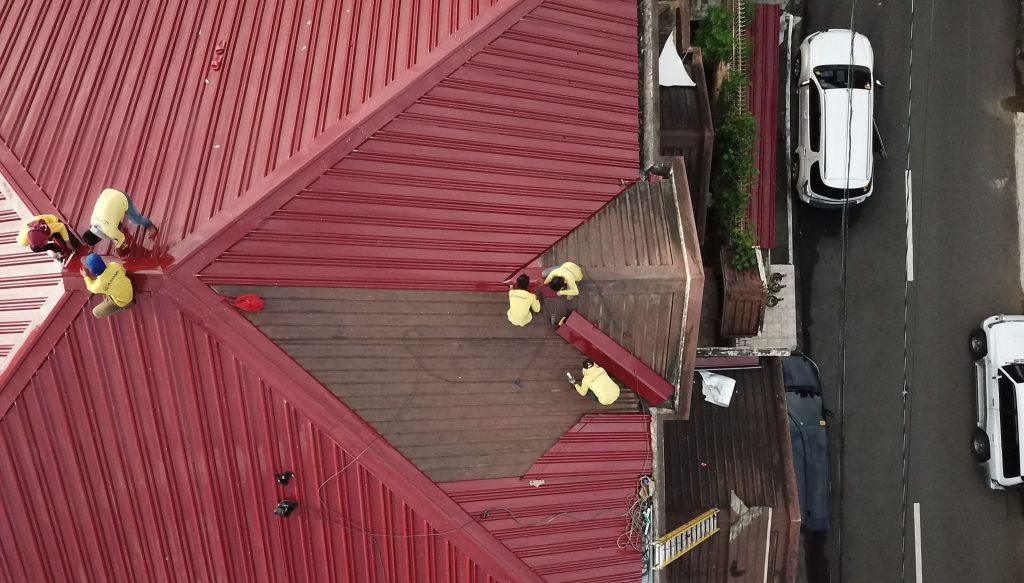
Colorado homeowners are used to unpredictable weather. One week can bring sunshine and mild temperatures, while the next delivers hail, heavy rain, strong winds, or even late-season snow. This year, meteorologists are closely watching a developing El Niño pattern in the Pacific Ocean that could influence weather across North America.
While El Niño does not guarantee specific storms in Colorado, it can shift weather patterns and increase the likelihood of certain conditions that may affect roofs and exterior systems.
El Niño is part of a naturally occurring climate cycle known as the El Niño-Southern Oscillation (ENSO). During El Niño, ocean temperatures in parts of the Pacific Ocean become warmer than normal, which can alter jet streams and storm tracks around the world.
Current forecasts from NOAA indicate that El Niño conditions are present and may strengthen through the upcoming winter season.
Colorado's weather is influenced by many factors, so no one can predict exactly how any season will unfold. Still, historical El Niño patterns have been associated with:
For roofs, these conditions can reveal existing weaknesses that may have gone unnoticed during calmer weather.
Even a roof that appears to be in good condition can experience wear from changing weather patterns.
Colorado already ranks among the nation's most hail-prone states. If storm activity increases, roofs may be exposed to impacts that loosen granules, bruise shingles, or damage flashing and vents.
Strong wind events can lift shingles, loosen fasteners, and create openings where water can enter the roofing system.
Rain often exposes vulnerabilities around penetrations, flashing details, valleys, skylights, and aging materials.
When temperatures fluctuate above and below freezing, moisture can expand and contract within roofing materials. Over time, this can contribute to cracking, deterioration, and leaks.
In some years, El Niño patterns can support increased snowfall across portions of Colorado. Snow accumulation and ice buildup can place additional stress on roofs and gutters.
A roof inspection is not about expecting the worst. It's about understanding the current condition of your home before severe weather arrives.
Many roofing issues are relatively minor when discovered early. Small repairs can often prevent larger and more expensive problems later.
A professional inspection can help identify:
At Blue Spruce Construction Group, our team works with homeowners, property managers, and commercial property owners throughout Colorado to identify, document, and address roofing concerns before they become major issues. [Related: Roof Insurance Claims Help]
Our inspections are designed to provide clear information and practical recommendations—not pressure.
References
NOAA Climate Prediction Center ENSO Discussion: https://www.cpc.ncep.noaa.gov/products/analysis_monitoring/enso_advisory/ensodisc.shtml
NOAA Climate.gov – El Niño & La Niña Overview: https://www.climate.gov/enso
National Weather Service Climate Prediction Center: https://www.cpc.ncep.noaa.gov
World Resources Institute – El Niño Impacts Explained: https://www.wri.org/insights/super-el-nino-impacts-explained