Call Us Today! (303) 647-3883
76°
Call Us Today! (303) 647-3883

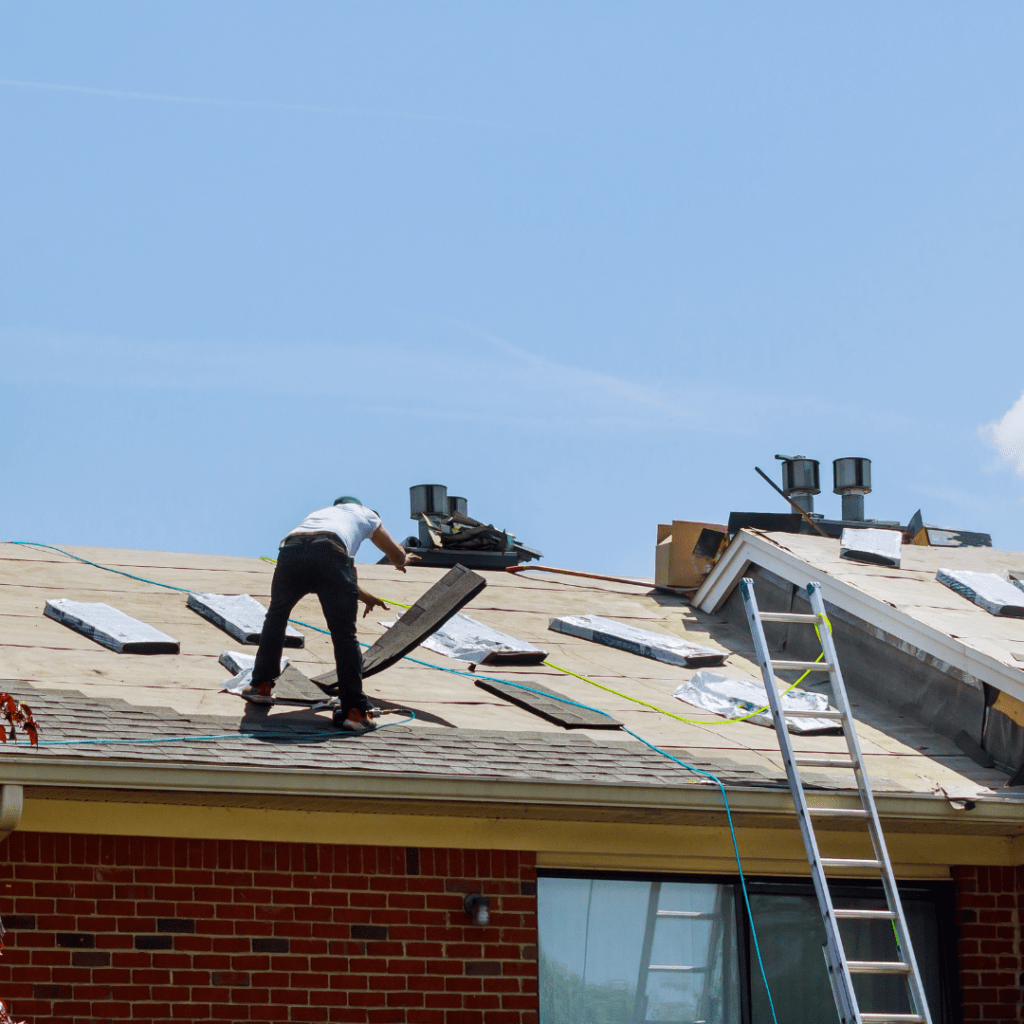
Your roofing system is one of the most important structural components of your home, yet it’s often overlooked until a visible problem appears. Many homeowners schedule a home inspection when buying or selling, but ongoing roof maintenance rarely receives the same attention.
In Colorado’s challenging climate, where extreme weather, hail, heavy snow, intense ultraviolet exposure, and wind are common, routine roof inspections are essential. Whether you have an asphalt shingle, metal roof, flat roof, tile, clay, or slate roofing system, regular evaluations help prevent small issues from turning into expensive repairs.
Below, we explain why roof inspections should be a standard part of your home maintenance plan and how they protect both your property and your budget.
Roof problems rarely begin as emergencies. A minor crack in sealant, slight curling of shingles, small areas of corrosion on metal, or flashing separation around a chimney may seem insignificant. However, when ignored, these small vulnerabilities can lead to serious roof damage.
Professional roof inspectors are trained to identify:
Addressing these concerns early reduces overall roof repair costs and can delay the need for a full roof replacement.
Many homeowners only call a roofer after spotting ceiling stains. By that point, water damage may already exist inside the attic, insulation, or structural decking.
A thorough roof assessment includes:
Water intrusion can travel far from the original entry point, making professional roof leak detection and roof leak inspection critical. Early intervention prevents widespread damage and protects indoor air quality.
Colorado roofs frequently endure hail, high winds, and freeze–thaw cycles. Even when damage isn’t visible from the ground, impact from hail or debris can weaken roofing materials.
A certified roof inspector can identify hidden damage such as:
Routine inspections after storms are especially important for homeowners filing home insurance claims. Proper documentation supports coverage and ensures repairs are handled appropriately.
Whether your home has a steep-slope system or flat roofs, longevity depends on consistent maintenance. Even specialized materials like TPO roof maintenance systems or metal roofing require periodic review.
During inspections, a licensed roofing contractor may recommend:
Preventive maintenance helps homeowners avoid premature roof restoration or replacement.
Your roof directly impacts energy performance. Poor ventilation or insulation in the attic increases heat transfer during winter and summer. Over time, this can strain HVAC systems and increase utility costs.
Inspections evaluate:
Maintaining proper airflow supports a more comfortable home year-round.
If you plan to sell your home or refinance, inspection documentation provides valuable information for buyers and lenders. Proof of regular maintenance from a reputable local roofing company demonstrates responsible ownership.
Inspection reports also provide realistic timelines for budgeting future work, whether minor roof repairs, metal roof repairs, or long-term replacement planning.
Different roofing materials require tailored evaluations:
Asphalt shingle roofs: Watch for curling, granule loss, and seal failure.
Metal roof systems: Inspect for corrosion, loose fasteners, and flashing separation.
Flat roof repair needs: Monitor membrane seams and drainage performance.
Bitumen or modified systems: Check for cracks or blistering.
Tile, slate, or clay roofs: Assess for shifting, cracks, and underlayment wear.
A flat roof specialist or experienced roofing contractor understands how each material performs in Colorado’s climate.
Most homeowners should schedule:
If your roof is older, has prior storm exposure, or shows early wear, more frequent inspections may be recommended.
When searching for a roof inspector or comparing local roofing companies, look for:
Working with qualified roofing contractors ensures your home receives accurate information and practical recommendations.
Your roof protects everything inside your home from structural framing to plumbing systems and insulation. Waiting until you need emergency roof leak repairs or extensive damage repair can significantly increase costs.
Proactive inspections help you:
Regular roof inspections are not about unnecessary work. They are about informed decision-making and long-term protection.
If it has been more than a year since your last roof inspection or if your home has experienced recent severe weather, now is the time to act.
Blue Spruce Construction Group provides thorough roof inspections, maintenance guidance, and professional roofing services tailored to Colorado homes.
Contact Blue Spruce Construction Group today to request a quote or schedule your professional roof inspection and protect your home for the seasons ahead.