Call Us Today! (303) 647-3883
67°
Call Us Today! (303) 647-3883

Winter in Colorado brings a mix of snow, freezing rain, high winds, and sudden temperature swings that place significant stress on residential and commercial roof systems. Along the Front Range and throughout the Denver area, these conditions can turn small vulnerabilities into serious roofing problems if left unaddressed.
Understanding how winter weather impacts your roof—and knowing when to take action—can help prevent water damage, structural issues, and costly repairs. This guide explains the most common winter roofing risks in Colorado, how they develop, and what homeowners should know to protect their investment.
Colorado is known for extreme weather, and winter is no exception. A single winter storm can bring heavy snowfall, strong winds, and rapid freeze–thaw cycles within a short timeframe. These conditions affect both asphalt shingle roofs and metal roofing systems.
Key winter stressors include:
One of the most damaging winter processes is constant expansion and contraction caused by temperature fluctuations. During sunny winter days, heat from the sun and interior heat transfer can warm roofing materials. At night, temperatures drop sharply, causing materials to contract.
Over time, this movement can lead to:
This process affects sloped roofs and flat roof systems alike and is a common cause of winter roof damage.
Snow may look harmless, but wet, compacted snow is heavy. Prolonged accumulation places strain on roof decking, framing, and drainage systems—especially on older homes or buildings with limited maintenance history.
Potential issues include:
In severe cases, excessive snow load can compromise the integrity of the roof system, making proactive snow removal and inspections critical.
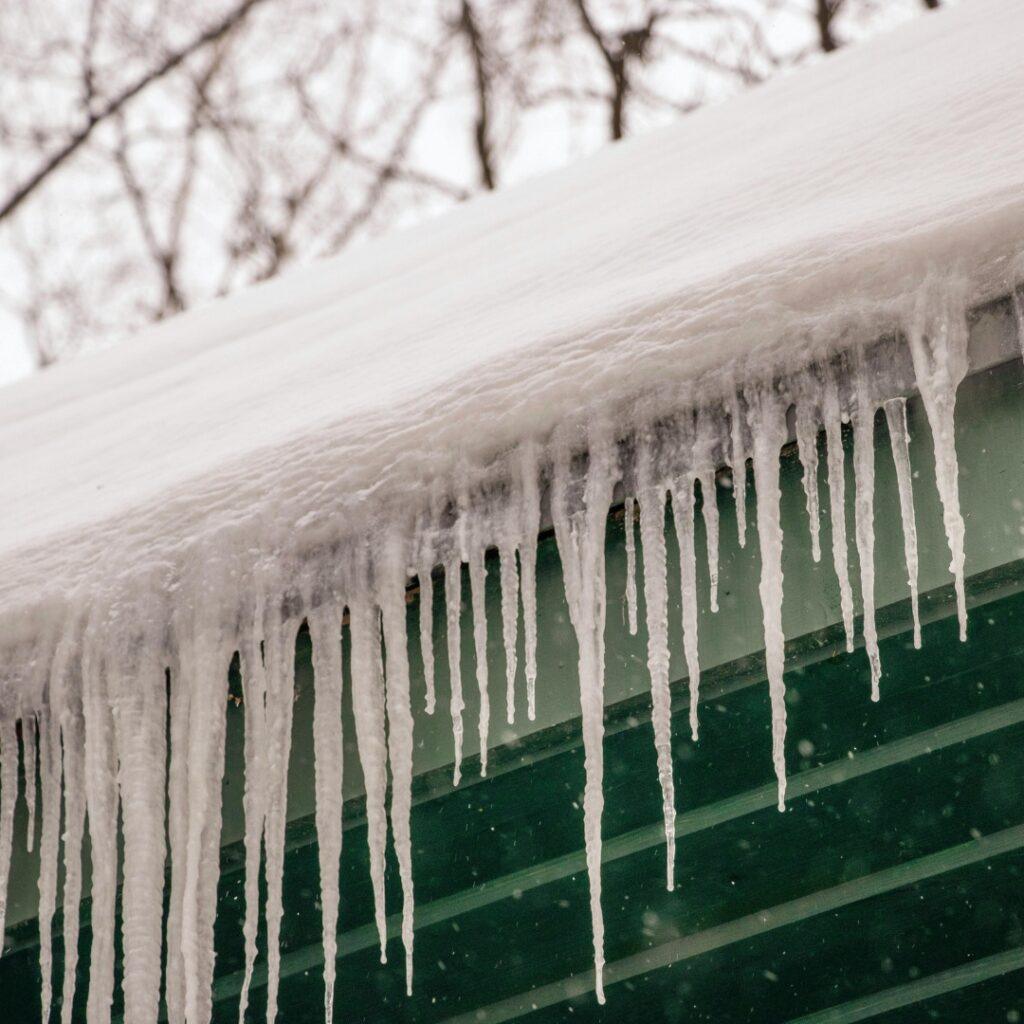
An ice dam forms when melting snow refreezes along roof edges, trapping water behind it. As water backs up, it can penetrate beneath shingles and into the attic or walls.
Ice dams often result from:
Once water enters the structure, it can cause mold, insulation damage, and interior staining—issues that may not be immediately visible.
Winter winds in Colorado can be intense, particularly during storms. Cold temperatures make roofing materials more brittle, increasing the risk of shingle damage or blow-offs.
Additionally, roofs weakened by prior hail events are more vulnerable during winter. Even if hail damage occurred months earlier, winter conditions often reveal the problem through leaks or loose materials.
Common winter-related damage includes:
This is why roof inspections are especially important following severe weather.
Winter roofing issues aren’t always caused by external moisture. Condensation inside the attic can also lead to damage when warm indoor air meets cold surfaces.
Signs of attic-related issues include:
Proper ventilation and insulation are essential to preventing moisture-related problems during winter.
Many winter roof problems stem from unresolved issues earlier in the year. Summer hail, fall windstorms, or aging materials can weaken a roof without immediate symptoms.
When winter arrives, these vulnerabilities are exposed by:
Routine roof maintenance and timely repairs significantly reduce the risk of winter emergencies.
While some winter conditions are unavoidable, homeowners can take steps to protect their roofs:
If damage occurs, contacting an expert roofer quickly can limit the spread of water and prevent further issues.
Colorado’s climate requires specialized knowledge. A local roofing contractor understands how snow, wind, and temperature swings affect roof systems in this region. Working with a trusted Colorado roofing company ensures repairs and recommendations are tailored to local conditions.
Experienced contractors also help homeowners navigate insurance and home insurance considerations when winter damage occurs.
If you’re concerned about how winter weather may be affecting your roof, Blue Spruce Construction Group is here to help. We provide professional residential roofing services, commercial roofing services, inspections, and repair solutions designed for Colorado’s climate.
Contact Blue Spruce Construction Group today to request an inspection or estimate and ensure your roof is prepared for the remainder of winter.